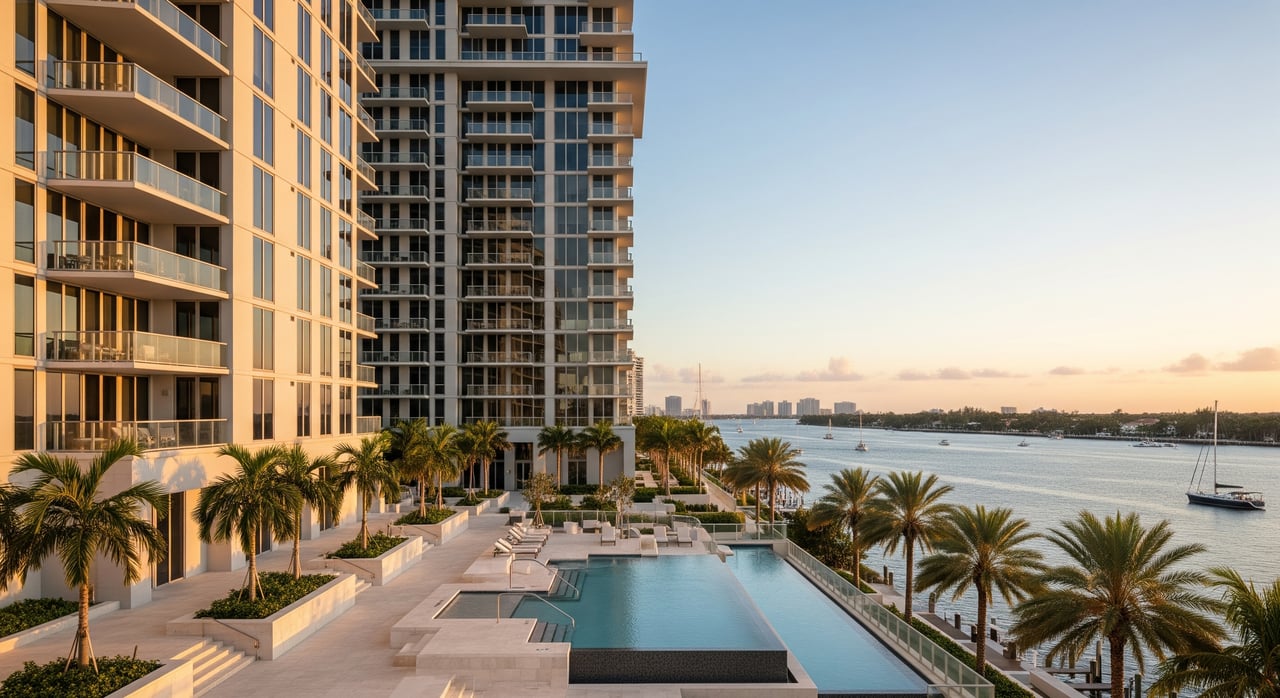
Are you eyeing a downtown or waterfront condo in West Palm Beach and wondering how assessments could change your numbers? You are not alone. Between older buildings, coastal wear, and Florida’s insurance landscape, assessments can shape your monthly costs and your deal. In this guide, you will learn how regular and special assessments work, which documents to request, what to check in the estoppel, and how to negotiate with confidence. Let’s dive in.
Condo assessments, simply explained
Regular assessments
Regular assessments are your monthly or quarterly dues. They fund the association’s day-to-day operations like management, security, janitorial services, landscaping, and utilities covered by the association. Your share is based on the allocation in the governing documents, often a percentage interest in the common expenses.
Reserves
Reserves are savings for big-ticket items that wear out over time. Think roof work, exterior painting, elevator modernization, pool systems, and structural repairs. A reserve study estimates when each component will need work and what it will cost. Best practice is to fund reserves in line with those future needs. If reserves are not fully funded, the gap often leads to special assessments.
Special assessments
Special assessments are one-time or limited-period charges for costs that the operating budget or reserves cannot cover. Common triggers include deferred maintenance found in engineering reports, large envelope or structural repairs, rising insurance premiums or deductibles, emergency repairs, or litigation settlements. The approval rules for special assessments come from Florida condominium law and your association’s governing documents, which set notice and voting requirements.
Association loans and insurance
Instead of charging a large one-time assessment, associations sometimes borrow to spread costs over several years. Loans add interest expenses and can affect owner votes and lender reviews for buyers financing a unit. Insurance also plays a big role. Master policy coverage and windstorm or flood deductibles in Florida determine how much the association must pay after a loss, which can lead to assessments.
West Palm Beach factors to know
Waterfront and downtown buildings in West Palm Beach are often older high-rises built in the 1970s through the 1990s. They face a marine environment where corrosion and concrete spalling are real concerns. Add hurricane risk and today’s insurance market, and you have extra pressure on budgets and reserves.
After the 2021 Surfside collapse, many municipalities reviewed structural inspection and recertification policies. Ask whether your building has recent structural or envelope studies and if any city or county deadlines apply. Confirm with the City of West Palm Beach and Palm Beach County building departments whether any orders or inspection programs affect the building you are considering.
The documents you should request
Request these items as early as possible and update them again near closing:
- Estoppel certificate showing amounts due, monthly dues, any approved or pending assessments, and whether the seller is current.
- Current annual budget and any proposed budget.
- Reserve study and statements showing reserve balances.
- Financial statements for at least the prior year and year-to-date.
- Board and annual meeting minutes for the last 12 to 24 months.
- Master insurance certificate with coverage limits and deductibles, including windstorm and flood.
- Resolutions or ballots for recently approved or proposed special assessments.
- Engineering, structural, roofing, and envelope reports, plus scopes of work, bids, and permits.
- Litigation disclosures for any pending association lawsuits or judgments.
- Governing documents: declaration, bylaws, articles, and rules.
- Confirmation that the association is in good standing and not in receivership.
What to verify in the estoppel
An estoppel is a snapshot of the association’s financial position and your unit’s obligations at the time of issuance. Verify the following:
- Current regular assessment amount, due dates, and any included services.
- Whether the seller owes any amounts, including late fees, interest, or attorney fees, and whether a lien exists.
- Any approved but unpaid special assessments, with amounts per unit, start dates, payment schedules, and financing options.
- Any pending ballots or owner votes that could change dues or assessments.
- Outstanding association loans, amounts, and lenders.
- Reserve balances and whether the association plans to levy an assessment or borrow for deferred items.
- Leasing rules and any owner-occupancy or rental ratios that could affect financing.
- Pending engineering inspections, municipal orders, or code compliance notices.
Request the estoppel early in the contract period and again near closing. Ask your closing agent how long the estoppel remains valid and what the typical turnaround time and fees are.
How assessments affect your deal
Pricing and timing
Large or unexpected special assessments can reduce buyer demand and should factor into price and terms. You can ask for a price reduction, a seller credit, seller payment of the assessment before closing, or an escrow holdback. If an assessment is pending but not yet approved, you can ask for time to review engineering reports or estimates and make your offer contingent on the outcome.
Your monthly cost impact
A simple way to model the impact is to spread the assessment over the planned payment period. For example, a 24,000 dollar assessment paid over 24 months adds 1,000 dollars per month on top of your dues during that period. If the full amount must be paid at closing, consider asking for a credit or price adjustment of 24,000 dollars.
If the association borrows and passes loan payments to owners, factor in the monthly payment with interest. Your lender or financial advisor can help you estimate those payments and compare options.
Lender underwriting and condo approvals
Mortgage lenders review the health of the condo project, not just the unit. Large current or anticipated special assessments, low reserves, high delinquency rates, or project litigation can cause a loan to be denied under agency condo guidelines. To avoid surprises, share association financials and the estoppel with your lender early and ask if the project meets their standards. If not, you may need a different loan product or revised terms.
Negotiation strategies that work
Use the condo’s financial picture and timelines to protect your position:
- Make the estoppel and key financials a contingency in your offer.
- If a special assessment is already approved, ask the seller to pay it before closing, or negotiate a price reduction or credit for your portion. For uncertain costs, consider an escrow holdback.
- If an assessment vote is pending, set a threshold in your contract. If a substantial assessment is approved before closing, ask for a credit or a walk-away option.
- If the association plans to borrow, find out how repayments will be billed to owners and price that into your terms.
Due diligence checklist
Use this quick checklist for West Palm Beach condos:
- Obtain the estoppel early and again near closing.
- Review current and proposed budgets and confirm monthly dues and inclusions.
- Get the reserve study and statements showing reserve balances.
- Read 12 to 24 months of meeting minutes.
- Request engineering and envelope reports, scopes, bids, permits, and schedules.
- Review the master insurance certificate and deductibles for windstorm and flood.
- Ask for a summary of upcoming or approved assessments with payment schedules.
- Confirm any municipal recertification or inspection deadlines with the city or county.
- Check county records for association or unit liens.
- Ask for rental policies and current leasing ratios.
- Ask for the delinquency rate for owner assessments.
Red flags that warrant a pause
Watch for these issues and ask for deeper review:
- Very low reserves compared to replacement costs in the reserve study.
- Recent or imminent large assessments for major projects.
- Significant deferred maintenance in engineering reports.
- Litigation involving common elements or big financial exposure.
- Repeated borrowing without a plan to rebuild reserves.
- Insurance lapses, cancellations, or very high deductibles.
- Frequent board turnover or management instability.
- Municipal orders requiring costly repairs on tight deadlines.
Local resources to consult
These organizations and offices can provide building, financial, and regulatory context:
- Florida Statutes Chapter 718, the Condominium Act.
- Division of Florida Condominiums, Timeshares and Mobile Homes within the Department of Business and Professional Regulation.
- City of West Palm Beach Building Department.
- Palm Beach County Building and Code Enforcement, and Official Records for liens and filings.
- Community Associations Institute for reserve study and budgeting guidance.
- Local structural engineering firms with coastal high-rise experience.
- Florida real estate attorneys who focus on condo law and closings.
Bottom line for West Palm Beach buyers
Condo assessments are manageable when you are proactive. In West Palm Beach, building age, coastal exposure, and insurance costs make reserves and engineering reports especially important. When you collect the right documents, study the estoppel, and plan your negotiation strategy, you can protect your budget and still secure the lifestyle you want.
If you want a clear, step-by-step plan tailored to your target buildings downtown or on the water, reach out to Thalia & Kassandra. We pair white-glove service with investor-level rigor so you can buy with confidence.
FAQs
What is a condo special assessment in West Palm Beach?
- It is a one-time or limited-period charge that funds major or unexpected costs not covered by the operating budget or reserves, such as structural or envelope repairs.
How do reserves affect my West Palm Beach condo purchase?
- Strong reserves reduce the chance of future special assessments and help lenders approve the project, while thin reserves can signal higher risk and added costs ahead.
What should I look for in an estoppel certificate for a West Palm Beach condo?
- Confirm monthly dues, any seller delinquencies, approved or pending assessments, reserve balances, association loans, and any pending inspections or municipal orders.
How can a pending special assessment impact my financing?
- Large or imminent assessments can cause lender concerns about project health, which may affect loan availability, pricing, or underwriting approval.
What negotiation options do I have if an assessment is approved?
- Ask the seller to pay it before closing, negotiate a price reduction or credit, or arrange an escrow holdback sized to the expected payments.
Which local offices can confirm inspection or recertification requirements?
- Contact the City of West Palm Beach Building Department and Palm Beach County Building and Code Enforcement to confirm any deadlines or orders related to the building.